Sizilien - Am Stiefel Italiens
Ein Gesamtkunstwerk mit bewegter Geschichte
A total work of art with a moving history
Music Recommendation:
Artist: Giuseppe Boscia
Song: Pirati a palermu
siehe/höre am Ende des Artikels
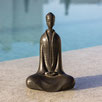
May all the buddhas smile at us....
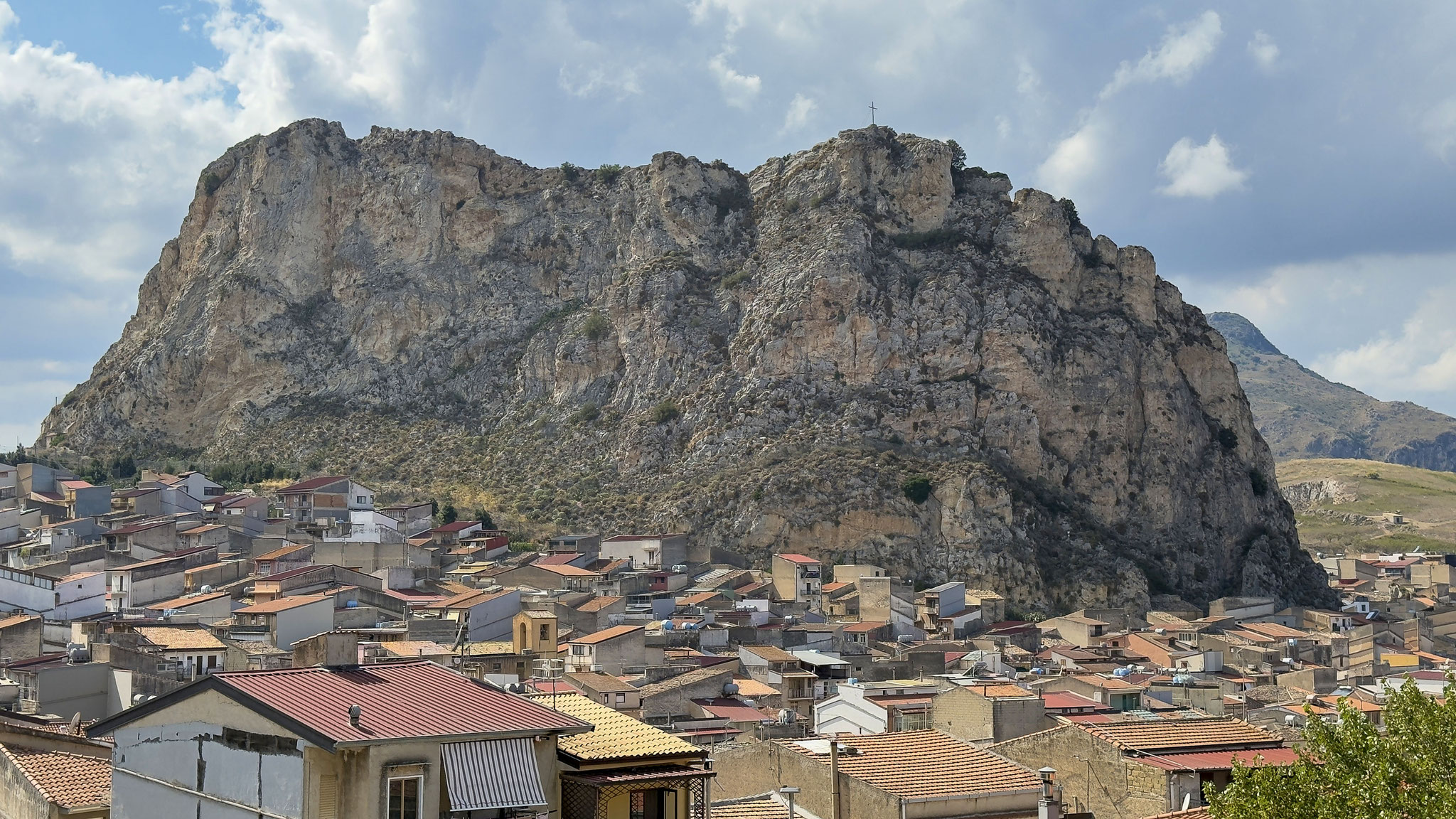
"Cu voli puisia venga 'n Sicilia"
"Wer Poesie will, sollte nach Sizilien kommen"
September 2025 - Sizilien
Ein wunderes Land mit bewegter Geschichte
Syrakus
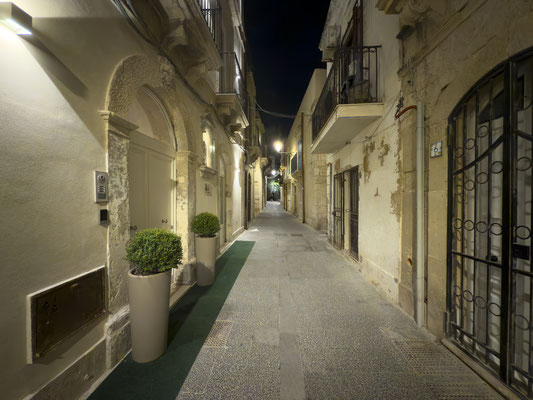
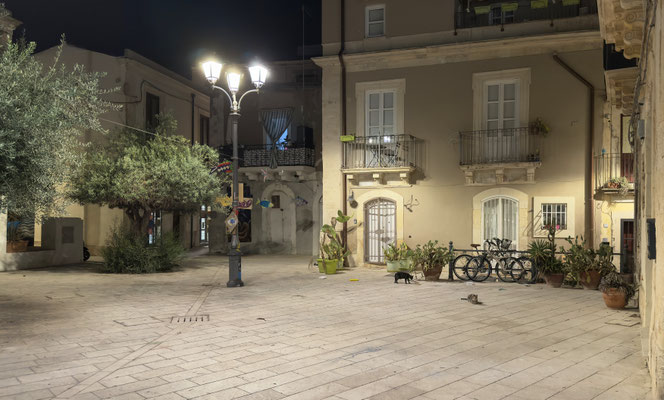
Syrakus, eine der faszinierendsten Städte Siziliens, vereint jahrtausendealte Geschichte mit mediterranem Flair. Die Stadt, die bereits in der Antike ein bedeutendes Zentrum der griechischen Welt war, beeindruckt noch heute mit ihren archäologischen Stätten, barocken Kirchen und verwinkelten Gassen auf der Insel Ortigia. Besucher schätzen besonders die Mischung aus antiker Kultur und lebendigem, süditalienischem Alltagsleben.
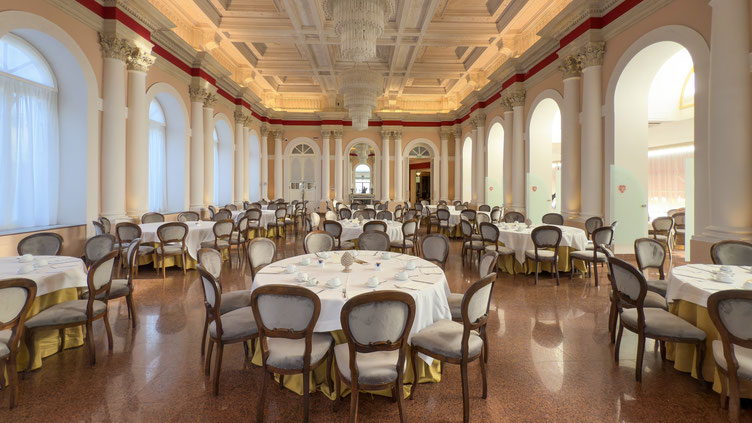
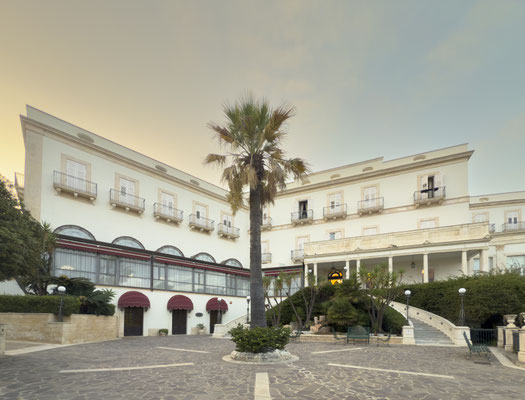
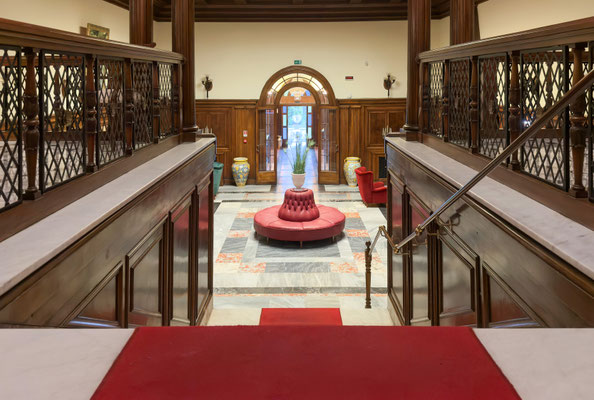
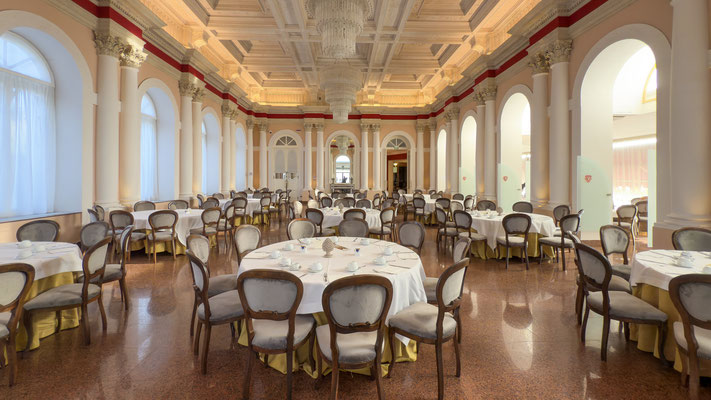
Das Grand Hotel von Syrakus, direkt an der Küste von Ortigia gelegen, gilt als eine Ikone klassischer Eleganz. Das traditionsreiche Haus verbindet historischen Charme mit modernem Komfort und bietet Gästen einen eindrucksvollen Blick über das Meer. Mit seinen prächtigen Räumlichkeiten, stilvollen Zimmern und einem erstklassigen Service ist es ein idealer Ausgangspunkt, um die Schätze der Stadt zu entdecken – ob beim Spaziergang durch die engen Gassen Ortigias oder beim Besuch des berühmten griechischen Theaters.
Dank seiner Lage am Wasser vermittelt das Grand Hotel die perfekte Kombination aus urbaner Nähe und mediterraner Gelassenheit. So wird ein Aufenthalt in Syrakus nicht nur zu einer Reise in die Vergangenheit, sondern auch zu einem Erlebnis voller Entspannung und Genuss.
Syracuse, one of the most fascinating cities in Sicily, combines thousands of years of history with Mediterranean charm. The city, which was already a major center of the Greek world in antiquity, still impresses today with its archaeological sites, baroque churches, and winding alleys on the island of Ortigia. Visitors especially appreciate the blend of ancient culture and the vibrant, everyday life of southern Italy.
The Grand Hotel of Syracuse, located directly on the coast of Ortigia, is considered an icon of classic elegance. This historic establishment combines timeless charm with modern comfort and offers guests a stunning view over the sea. With its magnificent halls, stylish rooms, and first-class service, it is the ideal starting point for discovering the treasures of the city—whether strolling through Ortigia’s narrow streets or visiting the famous Greek theater.
Thanks to its waterfront location, the Grand Hotel conveys the perfect balance between urban proximity and Mediterranean relaxation. A stay in Syracuse thus becomes not only a journey into the past but also an experience filled with comfort and enjoyment.
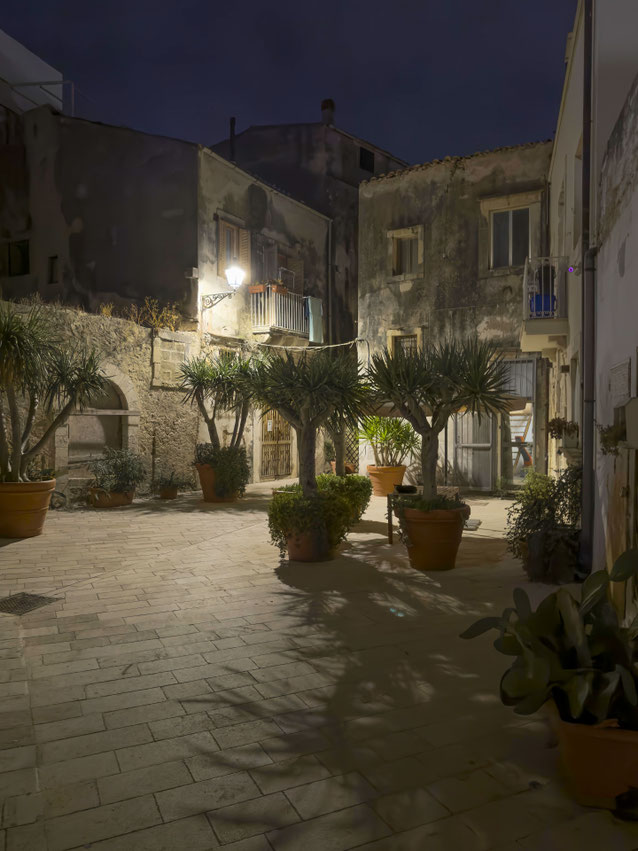
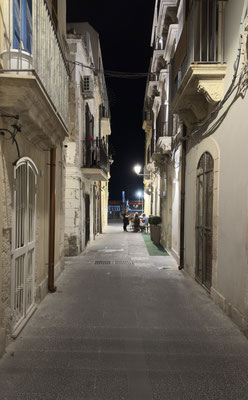
Ortiga (korrekt als Ortygia oder Ortigia bekannt) ist eine kleine Insel vor der Ostküste Siziliens und bildet das historische Zentrum der Stadt Syrakus. Die Insel ist nur durch eine schmale Wasserstraße vom Festland getrennt und über zwei Brücken mit dem Festland verbunden. Mit einer Fläche von knapp einem Quadratkilometer beherbergt Ortygia rund 4.400 Einwohner (Stand 2018).
Der Name Ortygia bedeutet im Altgriechischen „Wachtelinsel“ und bezieht sich auf einen Beinamen der Göttin Artemis, die hier gemäß Mythos geboren sein soll. Bekannt ist Ortygia vor allem für ihre lange Geschichte, die bis in die griechische Antike zurückreicht. Bereits damals war sie das politische und administrative Zentrum von Syrakus.
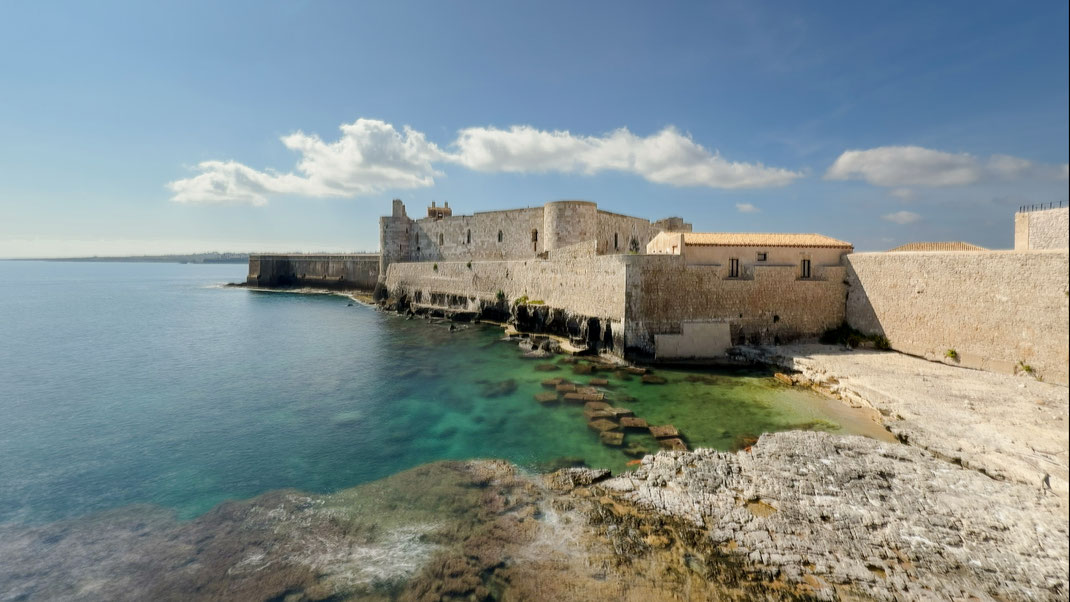
Heute ist Ortygia ein beliebtes Touristenziel mit einer lebendigen Altstadt, die durch enge Gassen, malerische Plätze und eine Fülle von Restaurants, Cafés, Souvenirläden und Kunsthandwerksgeschäften geprägt ist. Die Insel ist weitgehend autofrei und lädt zu entspannten Spaziergängen entlang der Uferpromenade ein. Zu den bekanntesten Sehenswürdigkeiten zählen der Domplatz, der Apollontempel, die Fonte Aretusa (eine Quelle mit mythologischem Hintergrund) und das Castello Maniace, eine mittelalterliche Festung an der Südspitze der Insel.
Ortygia verbindet reiche Geschichte, mythologische Sagen und mediterranes Flair auf beeindruckende Weise und ist somit ein Muss für Besucher Siziliens, die Kultur und Geschichte in einem authentischen mediterranen Ambiente erleben möchten.
Ortigia (correctly known as Ortygia or Ortigia) is a small island off the east coast of Sicily and forms the historic center of the city of Syracuse. The island is separated from the mainland by a narrow waterway and is connected to the mainland by two bridges. With an area of just under one square kilometer, Ortigia has around 4,400 inhabitants (as of 2018).
The name Ortigia means “Quail Island” in Ancient Greek and refers to an epithet of the goddess Artemis, who according to myth was born here. Ortigia is especially known for its long history, which dates back to Ancient Greece. Even then, it was the political and administrative center of Syracuse.
Today, Ortigia is a popular tourist destination with a vibrant old town characterized by narrow alleys, picturesque squares, and a wealth of restaurants, cafés, souvenir shops, and artisan stores. The island is largely car-free and invites relaxed walks along the waterfront promenade. The most famous sights include the Cathedral Square, the Temple of Apollo, the Fonte Aretusa (a spring with mythological background), and the Castello Maniace, a medieval fortress at the southern tip of the island.
Ortigia impressively combines rich history, mythological legends, and Mediterranean flair, making it a must-visit for Sicily visitors who wish to experience culture and history in an authentic Mediterranean setting.


Taormina
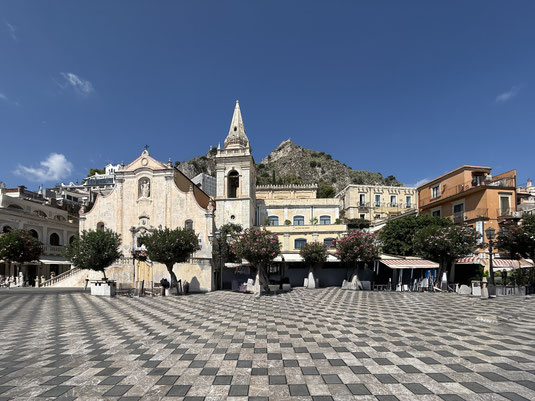
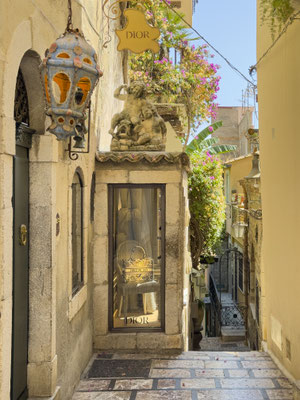
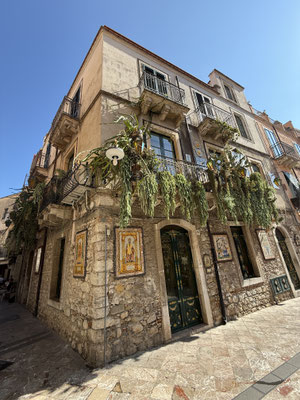
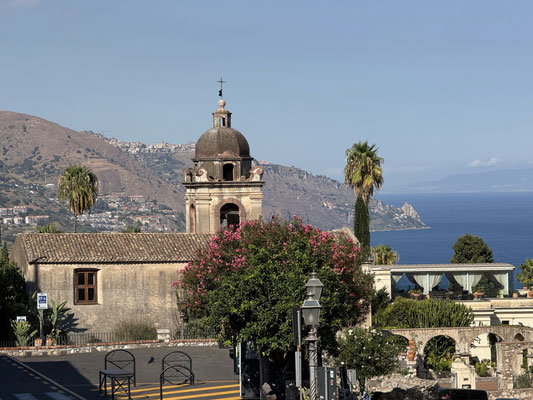
Taormina ist eine der schönsten Städte Siziliens und liegt malerisch auf einem Hügel mit Blick auf das Mittelmeer. Die Altstadt begeistert mit engen Gassen, bunten Bougainvillea und zahlreichen Cafés entlang des Corso Umberto, der Hauptflaniermeile. Ein weiteres Highlight ist die Piazza IX Aprile, die mit ihrem Blick auf die Küste und den Ätna sowie ihren historischen Bauwerken zum Verweilen einlädt. Zu den bekanntesten Sehenswürdigkeiten zählt auch die Isola Bella, eine kleine, grüne Insel in einer Bucht, die über einen schmalen Sandstreifen erreichbar ist. Der Dom San Nicolò di Bari mit seinem festungsähnlichen Charakter fehlt ebenso wenig wie der mittelalterliche Palazzo Corvaja, ein Symbol normannisch-arabischer Architektur. Taormina ist reich an Kultur und Geschichte, was sich auch in den zahlreichen Palästen, Kirchen und antiken Stätten widerspiegelt. Der Stadtgarten mit exotischen Pflanzen lädt zu erholsamen Spaziergängen mit herrlichem Ausblick ein.
Taormina is one of the most beautiful towns in Sicily, situated picturesquely on a hill overlooking the Mediterranean Sea. The old town charms visitors with its narrow streets, colorful bougainvillea, and numerous cafes along Corso Umberto, the main promenade. Another highlight is Piazza IX Aprile, which invites visitors to linger with its views of the coastline and Mount Etna, as well as its historic buildings. Among the best-known sights is also Isola Bella, a small green island in a bay accessible by a narrow sandy strip. The Cathedral of San Nicolò di Bari, with its fortress-like character, is also a must-see, as is the medieval Palazzo Corvaja, a symbol of Norman-Arab architecture. Taormina is rich in culture and history, reflected in its many palaces, churches, and ancient sites. The town garden with exotic plants offers relaxing walks with magnificent views.




Cefalù

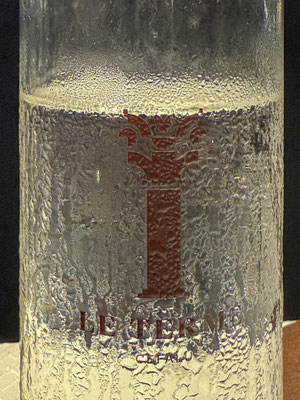
Cefalù ist ein malerisches Fischerdorf an der Nordküste Siziliens, etwa 70 km von Palermo entfernt. Es liegt am Fuße der beeindruckenden Felsformation Rocca di Cefalù und gehört zum Naturpark Madoniengebirge. Die Stadt ist bekannt für ihre mittelalterliche Altstadt, die sich mit engen Gassen und historischen Gebäuden wie dem normannischen Dom aus dem 12. Jahrhundert präsentiert. Der Dom von Cefalù besticht durch seine byzantinischen Mosaiken und seine prägnanten Zwillingstürme. Im Ort gibt es zahlreiche charmante Palazzi, Kirchen und ein restauriertes mittelalterliches Waschhaus. Cefalù ist ein beliebtes Reiseziel mit wunderschönen Stränden und kristallklarem Meer, ideal auch für Wanderungen im Umland. Zudem ist die Stadt Mitglied im Club der schönsten Orte Italiens. Mehrere Museen, wie das Mandralisca-Museum, bereichern das kulturelle Angebot und machen Cefalù zu einem reizvollen Urlaubsort . Sehr zu empfehlen das Restaurant "Le Terme" in der Altstadt.
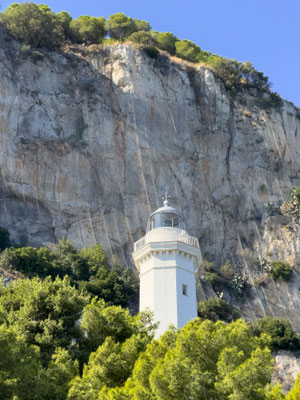
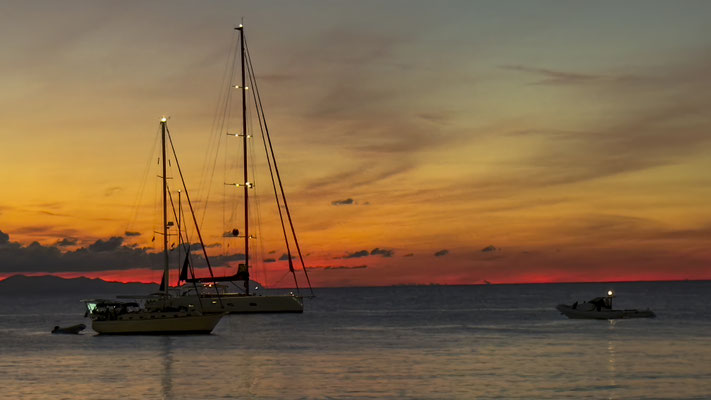
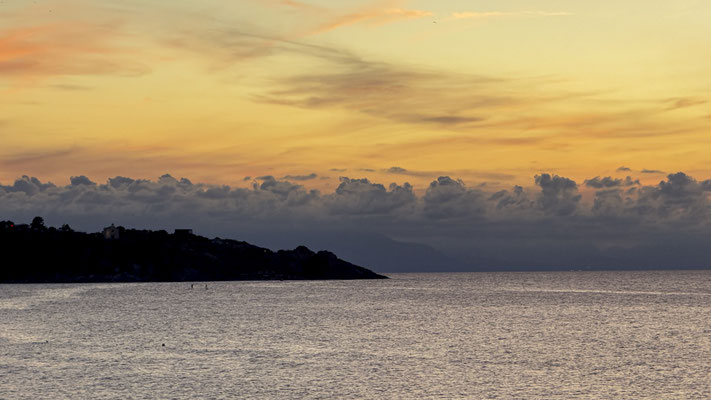

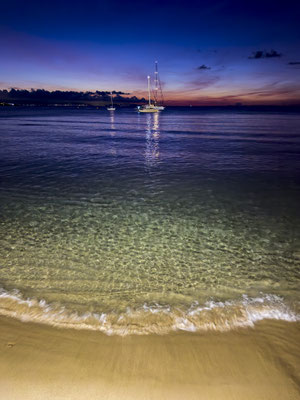
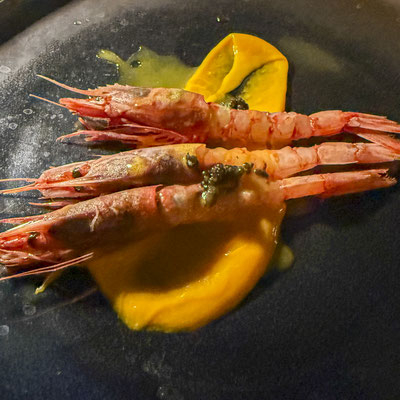
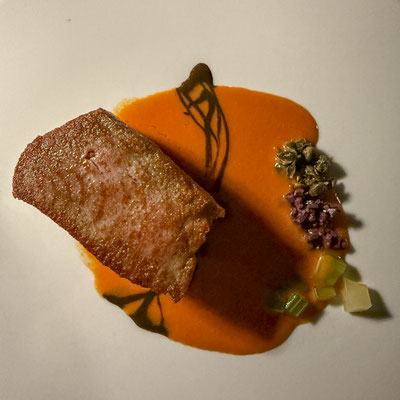


Cefalù is a picturesque fishing village on the northern coast of Sicily, about 70 km from Palermo. It lies at the foot of the impressive rock formation Rocca di Cefalù and is part of the Madonie Mountains Nature Park. The town is known for its medieval old town, characterized by narrow alleys and historic buildings such as the Norman Cathedral from the 12th century. The Cathedral of Cefalù impresses with its Byzantine mosaics and distinctive twin towers. In the town, there are numerous charming palaces, churches, and a restored medieval washhouse. Cefalù is a popular travel destination with beautiful beaches and crystal-clear sea, ideal also for hiking in the surrounding area. Additionally, the town is a member of the Club of the Most Beautiful Villages in Italy. Several museums, like the Mandralisca Museum, enrich the cultural offerings and make Cefalù an attractive holiday destination. The restaurant “Le Terme” in the old town is highly recommended.
Ätna
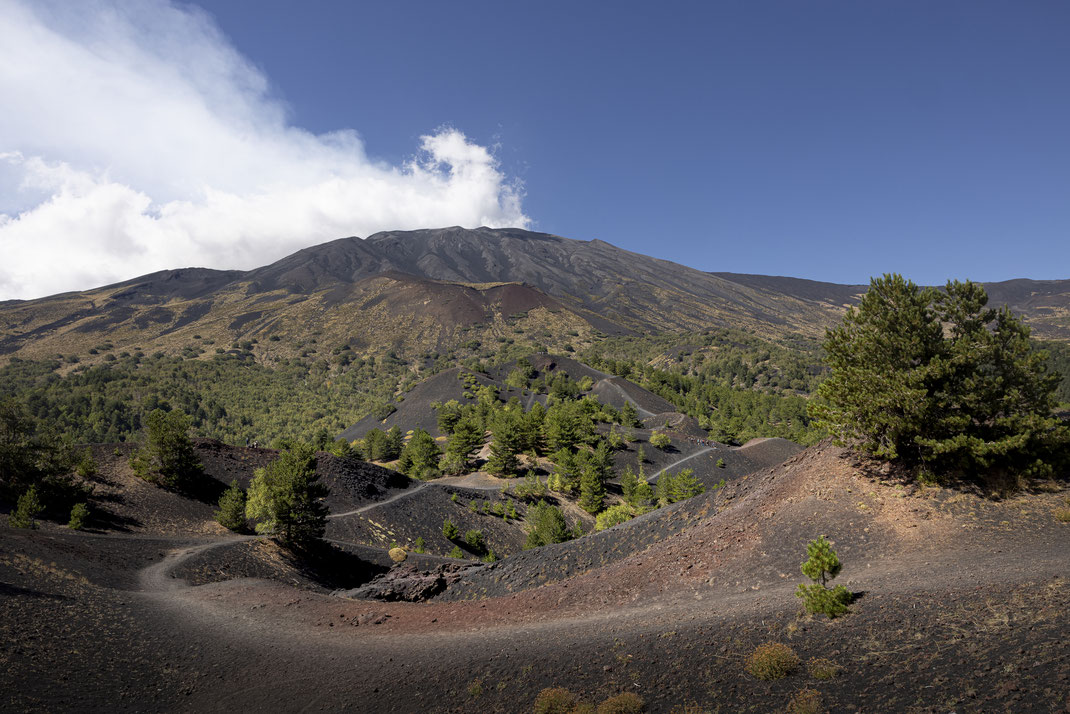

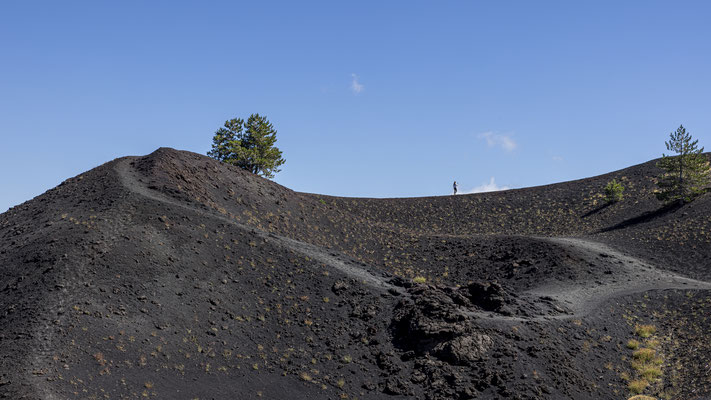
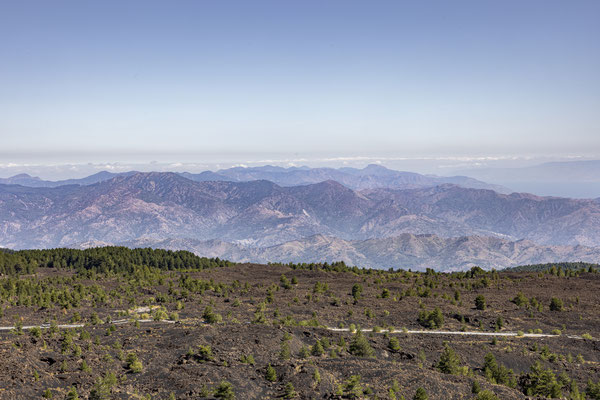
Der Ätna ist mit rund 3403 Metern der höchste aktive Vulkan Europas und befindet sich auf der italienischen Insel Sizilien. Er ist seit etwa 600.000 Jahren aktiv und gehört seit 2013 zum UNESCO-Weltnaturerbe. Der Vulkan hat vier Hauptgipfelkrater, wobei die meisten Lavaströme bei Ausbrüchen an seinen Flanken austreten. Seine Aktivität prägt die fruchtbare Landschaft rund um den Berg, die für den Weinbau und den Anbau von Zitrusfrüchten bekannt ist. Der Ätna gilt als einer der aktivsten Vulkane der Welt und ist für die Menschen in der Region von großer Bedeutung, obwohl er auch Gefahr durch Erdbeben und Ausbrüche darstellt.
Mount Etna is the highest active volcano in Europe, located on the Italian island of Sicily. It stands about 3,403 meters (11,165 feet) tall and covers a large area around its base. Etna has been active for more than 600,000 years and is one of the most closely monitored volcanoes in the world. It has frequent eruptions that shape the surrounding fertile landscape, which supports agriculture like vineyards and citrus groves. In 2013, Mount Etna was declared a UNESCO World Heritage site due to its geological significance and ongoing volcanic activity.

Palermo - Teatro Massimo


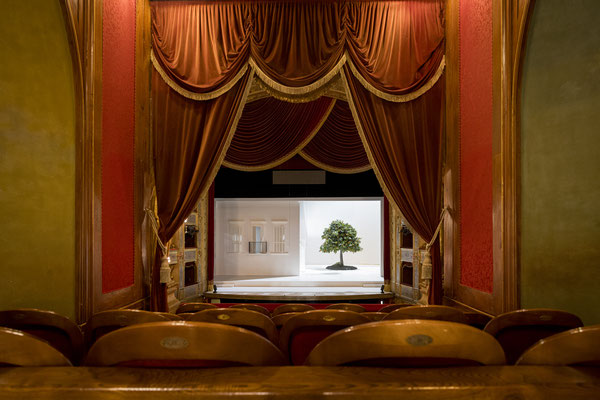
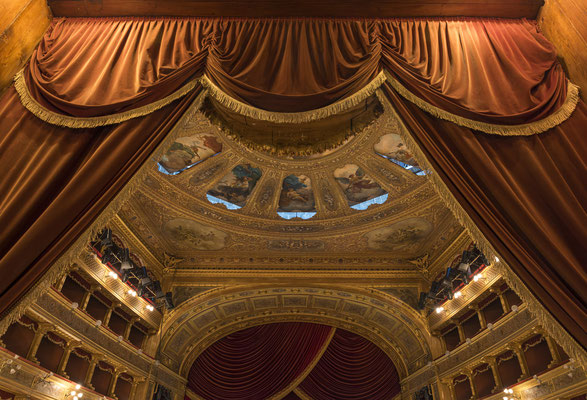

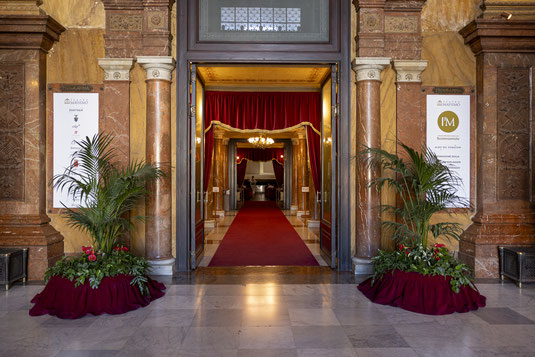
Das Teatro Massimo in Palermo ist das größte Opernhaus Italiens und das drittgrößte Europas. Es wurde 1897 eröffnet und gilt als ein Symbol für Palermos kulturelle Blütezeit im späten 19. Jahrhundert.
In Bezug auf die Mafia ist das Teatro Massimo eng mit der Geschichte Palermos verbunden. Ab 1974 wurde das Opernhaus wegen baulicher Mängel und mafiös korrupter Baupolitik fast 23 Jahre lang geschlossen. Die mafiosen Verstrickungen in der Bau- und Renovierungspolitik verzögerten die Wiedereröffnung erheblich. Erst 1997, unter dem damaligen Bürgermeister Leoluca Orlando, einem entschiedenen Gegner der Mafia, wurde das Teatro Massimo wiedereröffnet. Heute steht das Opernhaus als Symbol für den Kampf Palermos gegen die Mafia und für die kulturelle und politische Wiederauferstehung der Stadt.
Außerdem diente das Teatro Massimo als Drehort für die Schlussszene des Films “Der Pate III”, was seine kulturelle Bedeutung weiter unterstreicht.
The Teatro Massimo in Palermo is the largest opera house in Italy and the third largest in Europe. It was inaugurated in 1897 and symbolizes Palermo’s cultural flourishing in the late 19th century.
Regarding the Mafia, the Teatro Massimo has a significant connection to Palermo’s history. From 1974, it was closed for renovations that were supposed to be short but lasted almost 23 years due to corrupt construction practices linked to the Mafia. The Mafia’s influence delayed the reopening of the opera house until 1997, when it was finally reopened under the leadership of Palermo’s anti-Mafia mayor Leoluca Orlando. Today, the Teatro Massimo represents not only cultural excellence but also the city’s struggle against the Mafia and its cultural and political revival.
Furthermore, it was used as a filming location for the final scene of “The Godfather III,” emphasizing its cultural significance

Gole dell’ Alcantara
Die Schlucht von Alcantara
The Alcantara Gorge
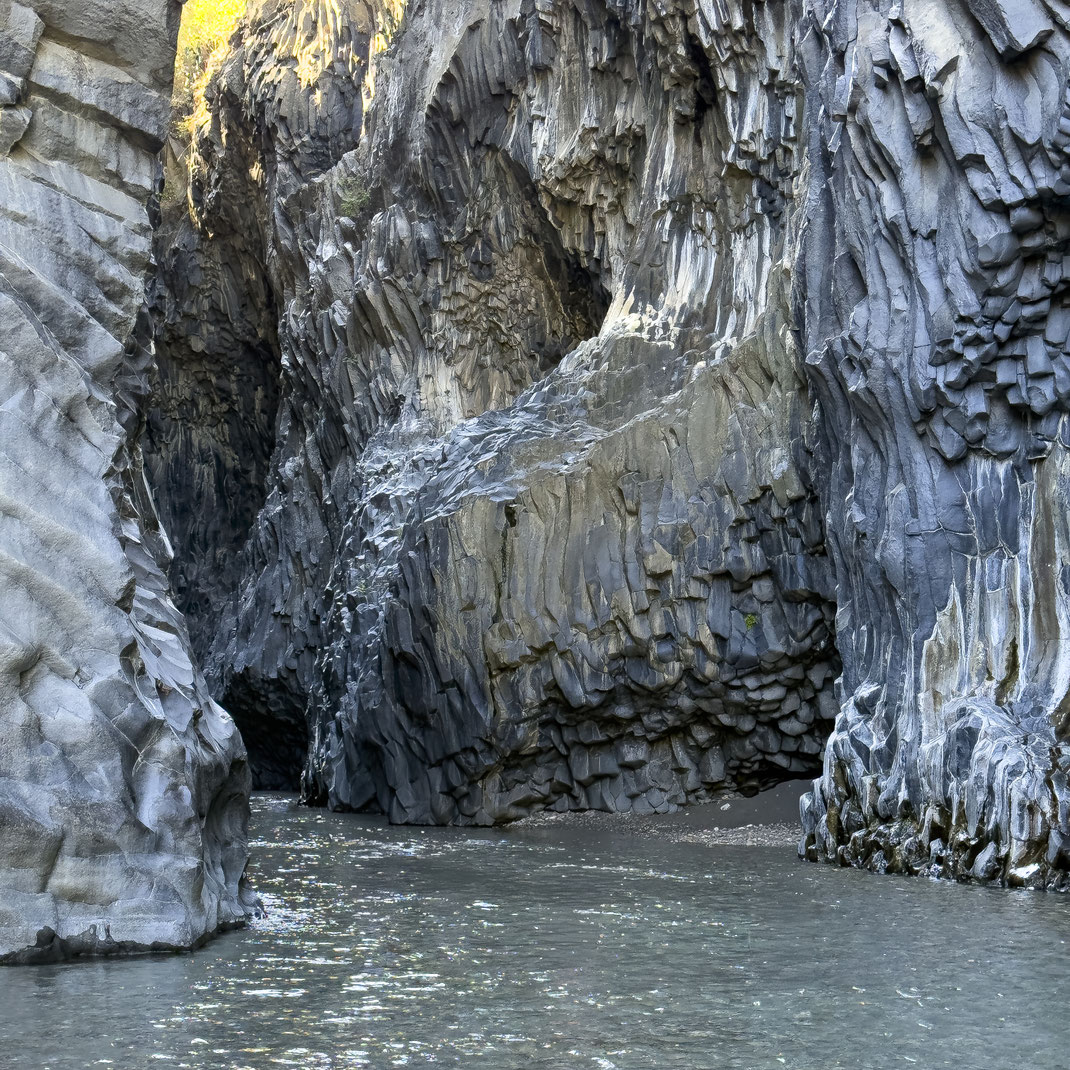
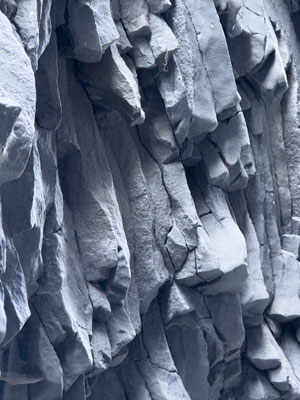
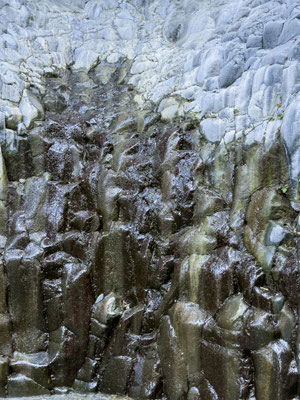
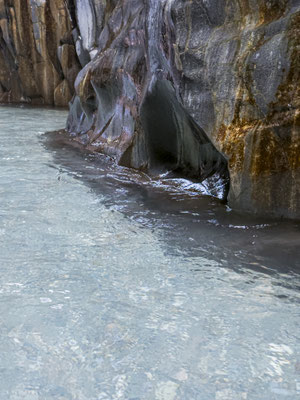
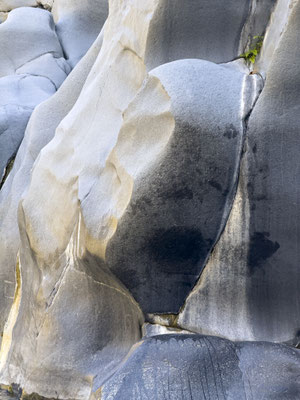
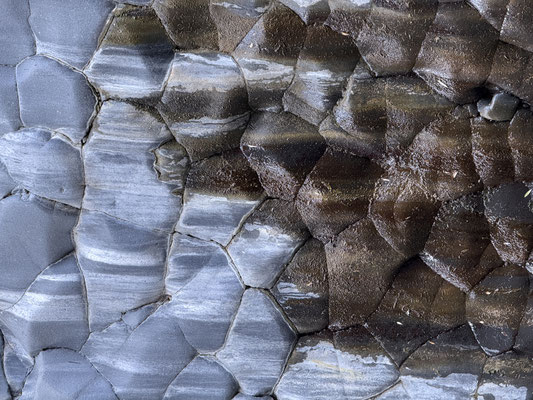
Die Alcantara-Schlucht auf Sizilien ist ein spektakuläres Naturphänomen mit beeindruckenden Steinformationen, die wie Skulpturen wirken. Diese Schlucht entstand vor etwa 300.000 Jahren durch ein Erdbeben, das ein großes Basalt-Lavagesteinsfeld zerbrach. Das Lavagestein in der Schlucht zeigt prismatische Strukturen, insbesondere sechseckige Säulen, die durch das langsame Abkühlen von Lava und die Einwirkung von Wasser geformt wurden. Die Steinwände der Schlucht sind bis zu 50 Meter hoch und teilweise nur wenige Meter breit, was die Landschaft zu einem wahren Naturschauspiel macht. Diese einzigartigen Felsformationen sind ein Resultat der Begegnung von heißer Lava mit kaltem Wasser, wodurch bizarre Basaltnadeln und kristalline Strukturen entstanden sind, die wie natürliche Skulpturen erscheinen.
The Alcantara Gorge in Sicily is a spectacular natural phenomenon with impressive rock formations that look like sculptures. This gorge was formed about 300,000 years ago by an earthquake that fractured a large basalt lava field. The lava rock in the gorge shows prismatic structures, especially hexagonal columns, formed by the slow cooling of lava and the action of water. The stone walls of the gorge reach up to 50 meters high and are sometimes only a few meters wide, making the landscape a true natural spectacle. These unique rock formations are the result of hot lava meeting cold water, creating bizarre basalt needles and crystalline structures that appear like natural sculptures.



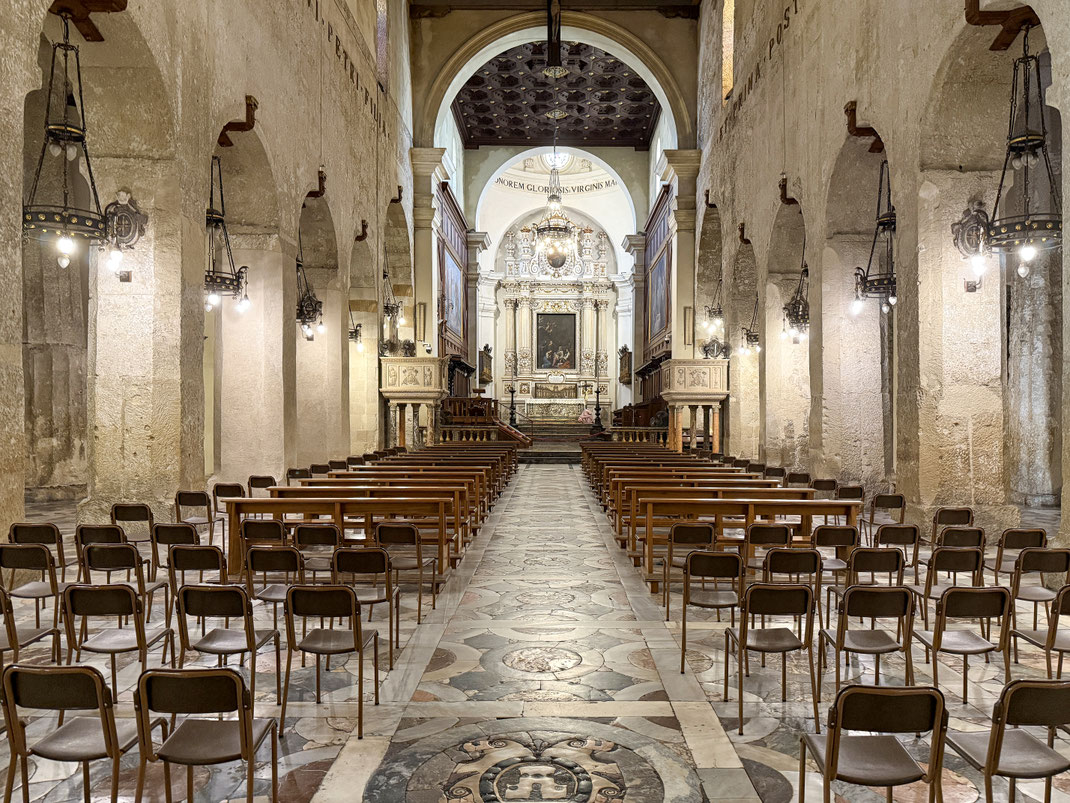
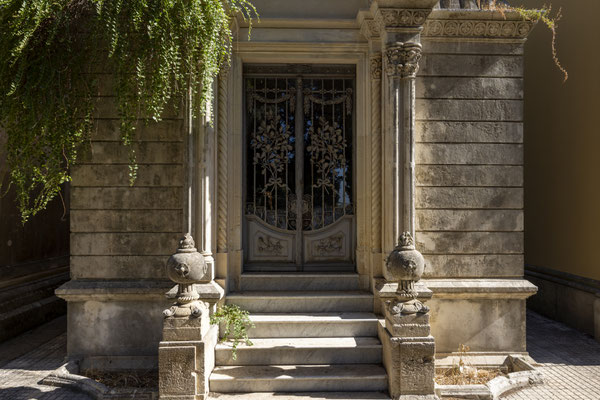
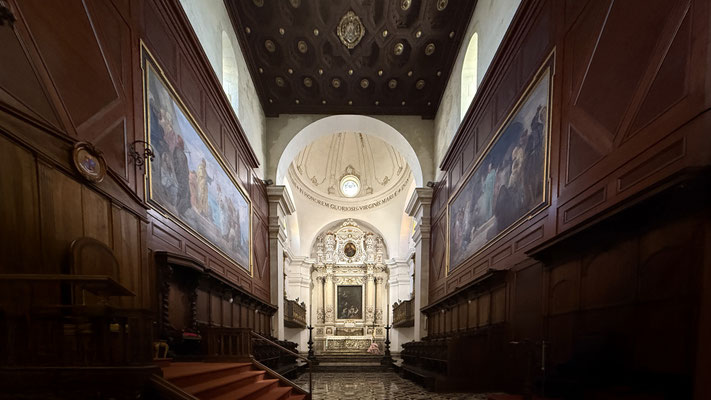
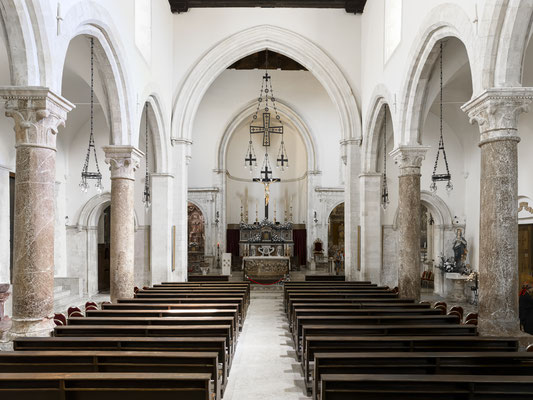
Sacred places





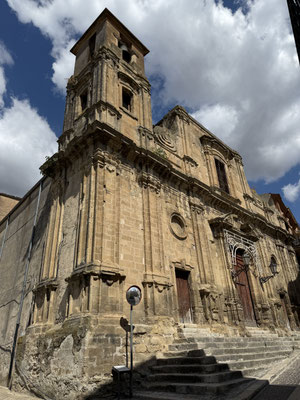
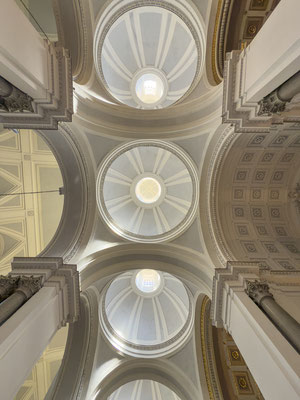
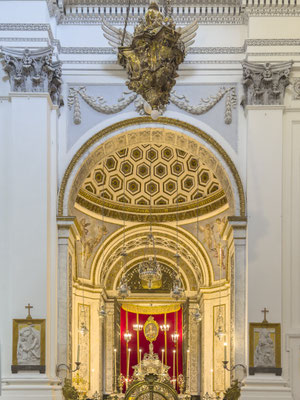
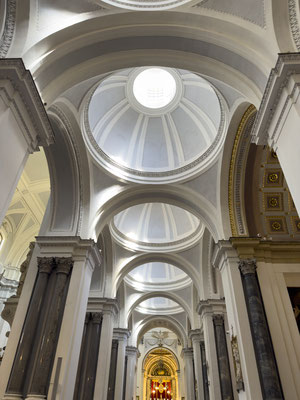


Moody Moods






In loving memory of my beloved friend
Giuseppe Boscia
Giuseppe Boscia, vocal / Franco Zambito, gitarre / Rolf Hillert, percussion.
Recording, mixing, mastering by Peter Hillert 2005
I pirati a Palermu (Sicil.) Arrivaru li navi tanti navi a Palermu li pirati sbarcaru cu li facci di nfernu. N'arrubbaru lu suli, lu suli, arristammu allu scuru, chi scuru, Sicilia (chianci)
Tuttu l'oru all'aranci li pirati arrubbaru li campagni spugghiati cu la neggia lassaru. N'arrubbaru lu suli, lu suli, arristammu allu scuru, chi scuru, Sicilia (chianci)
Li culura a lu mari arrubbaru chi dannu! Su mpazzuti li pisci chi lamentu chi fannu. N'arrubbaru lu suli, lu suli, arristammu allu scuru, chi scuru, Sicilia (chianci)
A li fimmini nostri ci scipparu di l'occhi la lustrura e lu focu c'addumava li specchi. N'arrubbaru lu suli, lu suli, arristammu allu scuru, chiú scuru, Sicilia (chianci)